info@acxionweightlossreviews.shop



 Cart is empty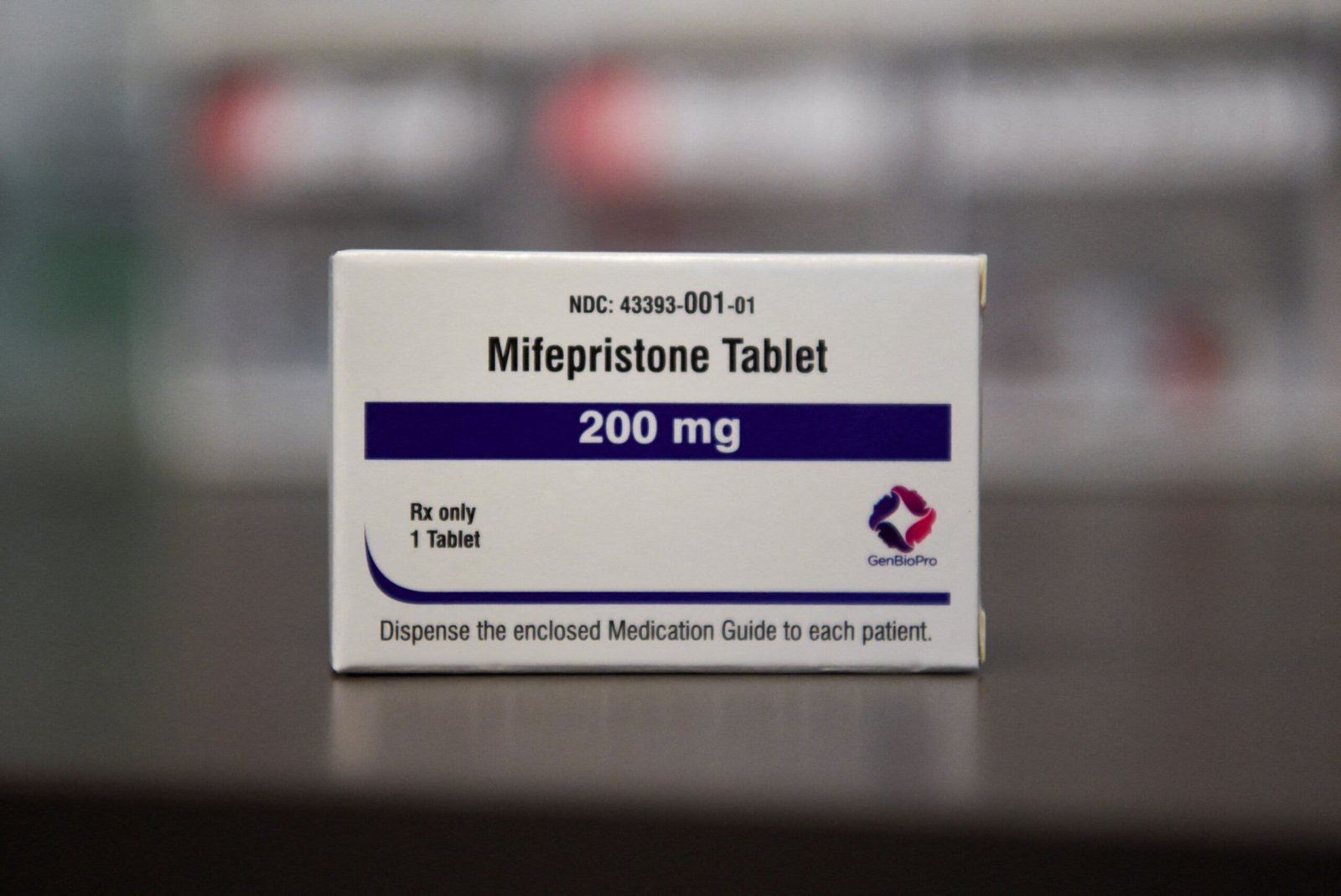
Mifepristone (Mifeprex)
$210 – $390Price range: $210 through $390
Add to WishlistRemove from Wishlist
Add to Wishlist
Share
SKU
N/A
CategoryAbortion Medications
- Mifeprex
- 200 mg oral tablets
- Cramping
- Bleeding (see below)
- Nausea or vomiting
- Feeling unusually weak or tired
- Fever or chills
- Headache
- Diarrhea
- Dizziness
- Breathing problems or wheezing
- Racing heart
- Fever or general ill feeling
- Swollen lymph nodes
- Swelling of the face, lips, mouth, tongue, or throat
- Trouble swallowing or throat tightness
- Itching, skin rash, or pale red bumps on the skin called hives
- Nausea or vomiting
- Dizziness, feeling lightheaded, or fainting
- Stomach cramps
- Joint pain
- Fever of 100.4 F (38 C) or higher that lasts longer than four hours
- Severe pain in your abdomen
- Tender pelvis
- Racing heart
- General ill feeling
- Mifepristone
- Mifeprex
- Misoprostol
- Any other medicine known as a prostaglandin
- Any of the ingredients in the specific product dispensed
Mifepristone is an oral tablet used to end a pregnancy during the first 10 weeks of pregnancy. Mifepristone works by blocking a hormone needed to maintain a pregnancy. Common side effects include cramping, bleeding, feeling unusually weak or tired, nausea, and diarrhea. Call your healthcare provider right away if you have a prolonged fever, severe pain, or very heavy bleeding.
What is mifepristone used for?
Mifepristone is commonly used to end a pregnancy during the first 10 weeks of pregnancy.
Mifepristone may also be used for other conditions as determined by your healthcare provider.
How does mifepristone work (mechanism of action)?
Mifepristone works by blocking the effects of progesterone, a hormone needed to maintain a pregnancy. This causes changes in the uterus that, when used with another medicine (misoprostol), result in the end of the pregnancy.
How to take mifepristone
The first medication that is taken as part of a medical abortion is called mifepristone. This blocks the hormone needed for the pregnancy to grow.
Once you receive the pack, take your first tablet (1 mifepristone tablet). Remove only the mifepristone from the blister pack (or from your plastic bag labelled “1” if you receive the package by post) and swallow it with plenty of water.
Most people can continue their daily routine as normal after taking mifepristone. Occasionally you may experience some bleeding and pain.
How is mifepristone supplied (dosage forms)?
Brands and other names
Dosage forms and strengths
How should I store mifepristone?
Mifepristone should be stored at room temperature, between 68 F to 77 F (20 C to 25 C). It can be exposed to temperatures between 59 F to 86 F (15 C to 30 C) for shorter periods of time, such as when transporting it. Store in a cool, dry place.
What are the most common side effects of mifepristone?
The most common side effects of mifepristone are listed below. Tell your healthcare provider if you have any of these side effects that bother you.
There may be other side effects of mifepristone that are not listed here. Contact your healthcare provider if you think you are having a side effect of a medicine.
What are the serious side effects of mifepristone?
While less common, the most serious side effects of mifepristone are described below, along with what to do if they happen.
Severe Allergic Reactions. Mifepristone may cause allergic reactions, which can be serious. Get help right away if you have any of the following symptoms of a serious allergic reaction.
Infection. Some people have had bacterial infections after taking mifepristone, which can lead to a dangerous condition called sepsis. Get help right away if you have any of the following symptoms in the days after taking mifepristone.
Bleeding. It is common to have vaginal bleeding or spotting for a few weeks after taking mifepristone, with heavy bleeding the first few days. While rare, some people may need treatment in a hospital or surgery to stop the bleeding. Get help right away if your bleeding seems very heavy, such as soaking through two thick pads per hour for two hours.
Warnings & Precautions
Who should not use mifepristone?
Allergies to Ingredients. People who are allergic to any of the following should not take mifepristone.
Your pharmacist can tell you all of the ingredients in the specific mifepristone products they stock.
Ectopic Pregnancy. Mifepristone will not work for an ectopic pregnancy (a pregnancy outside the uterus) and can cause harm. Mifepristone should not be used if you have a confirmed ectopic pregnancy, or a possible one, such as a mass in the tissues near the uterus.
IUD. People who have an intrauterine device (IUD) should not take mifepristone. Having an IUD may interfere with how well it works. If a healthcare provider removes your IUD, mifepristone can be used.
Adrenal Problems. People with long-term adrenal gland problems should not take mifepristone. It could cause a serious condition called adrenal insufficiency, where the adrenal glands cannot produce enough hormones to help your body manage stress.
| Weight | 1 box, 2 boxes |
|---|
Only logged in customers who have purchased this product may leave a review.
Reviews
There are no reviews yet.